 Book Bearings
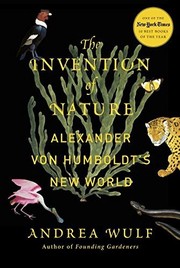
The Invention of Nature
- 496 pages · about 8 hours
- First published 2015
- 19 editions
Bookshop.org links may earn us a commission. It supports independent bookstores and costs you nothing.
1 About this book
From the Prologue...
When nature is perceived as a web, its vulnerability also becomes obvious. Everything hangs together. If one thread is pulled, the whole tapestry may unravel. After he saw the devastating environmental effects of colonial plantations at Lake Valencia in Venezuela in 1800, Humboldt became the first scientist to talk about harmful human-induced climate change. Deforestation there had made the land barren, water levels of the lake were falling and with the disappearance of brushwood torrential rains had washed away the soils on the surrounding mountain slopes. Humboldt was the first to explain the forest's ability to enrich the atmosphere with moisture and its cooling effect, as well as its importance for water retention and protection against soil erosion. He warned that humans were meddling with the climate and that this could have an unforeseeable impact on ‘future generations'.
Good for readers who want: a true life story, nature, science, and a long read.
- Biography
- Natural history
- Adventure
- Scientists, biography
- Germany, biography
- Science
- Biography & autobiography
- Nature
2 About Andrea Wulf

Bio adapted from Wikipedia (CC BY-SA 4.0)
3 Similar books
- Entangled Life by Merlin Sheldrake
- Charles Darwin's The Voyage of the Beagle by Charles Darwin
- The Maine Woods by Henry David Thoreau
- My first summer in the Sierra by John Reid Muir
- The natural history of Selborne by Gilbert White
- The Immortal Life of Henrietta Lacks by Rebecca Skloot
- The Innovators by Walter Isaacson
- My Family and other Animals by Gerald Malcolm Durrell